This Korean beef bowl is a weeknight dinner dream! Made with seasoned ground beef simmered in a savory-sweet Korean-inspired sauce, it’s served over rice, then topped with crisp cucumber and sliced carrot. It’s easy, flavorful, and ready in just 30 minutes!

This post may contain affiliate links. See my disclosure policy.
Why You’ll Love My Korean Beef Bowl
- It’s perfect for busy weeknights. The ground beef browns quickly and the sauce uses simple pantry staples. A win-win!
- The beef is extra saucy. I created a smidge more sauce with this recipe because I love it when the sauce seeps into the rice underneath. So good!
- It’s quite customizable. While I’m topping my bowls with carrots, cucumber, and green onion, it’s really quite flexible with whatever veggies you have on hand (see my tips below).
- It’s truly a family favorite. The beef isn’t overly spicy, it’s just deliciously flavorful. Plus, it’s gluten-free, and I’ve found that kids and adults alike love a beef and rice pairing!
I love a good bowl recipe and this Korean beef bowl seriously ticks all the boxes. The ground beef is savory-sweet and SO good you’ll want to go back for seconds. The rice is perfectly fluffy and soaks up the extra sauce. And the veggies add crisp texture and fresh flavor. Yep, this is one dinner I can get behind!
It’s also one of those meals that delivers a surprising amount of flavor for how easy it is to whip up. If you’ve made my Asian chicken lettuce wraps, you know what I’m talking about. So… what I’m getting at is there’s no need to order take-out. If you get a craving for a Korean dinner, you could get this meal on the dinner table before take-out even arrives (and save a bunch of money).
I really do love an easy ground beef dinner and this one is currently tops on my list. I can’t wait to hear what you think of it as well!
Korean Beef Bowl Ingredients

- Ground beef: I’m using lean ground beef so I don’t have to drain any fat from the pan.
- The sauce: It’s a simple combination of soy sauce (I’m using Tamari soy sauce as I’m gluten-free), honey (for natural sweetness), toasted sesame oil, garlic, ginger, and red pepper flakes. I like to use freshly minced garlic and ginger, but you could swap in dried versions in a pinch. And while I’ve added gochujang as an option, if you have it, I highly recommend it!
- The veggies: While Korean cucumbers are ideal, Persian cucumbers are an excellent substitute, and what I use most often. You could also dice up an English cucumber if you’d like. For the carrots, you can julienne or grate them. And for the green onions, you can saute them with the ground beef or add them on top at the end, as I do.
My tip on gochujang: If you’ve never cooked with gochujang before, it’s a Korean chili paste that’s thick, deep red, and packed with sweet, spicy, and umami flavors. It’s a foundational ingredient in Korean cooking, and while I’ve tried this recipe both with and without it (and it’s delicious either way), the version with it just has more flavor. So if you’ve never cooked with it before, I say give it a try! I’ve linked it in the recipe card below. And if you’re gluten-free like me, just double check ingredients, as not all versions are gluten-free.
How To Make A Korean Beef Bowl

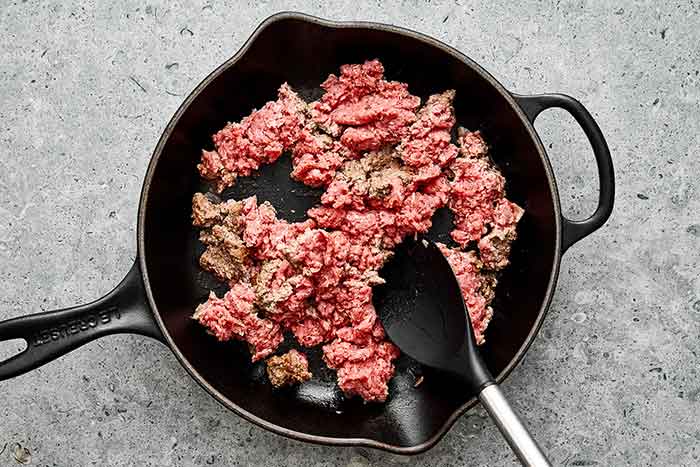
First, brown the beef in a large skillet. Break the larger pieces up with your spatula and cook for about 5 to 6 minutes, until browned.

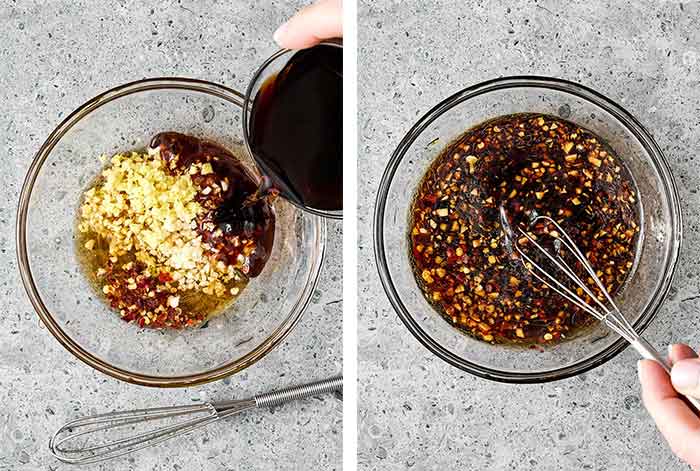
Second, make the sauce. In a small mixing bowl, whisk together the soy sauce, honey, sesame oil, garlic, ginger, red pepper flakes, and gochujang. Again, the gochujang is optional…but it really adds an authentic Korean flavor.

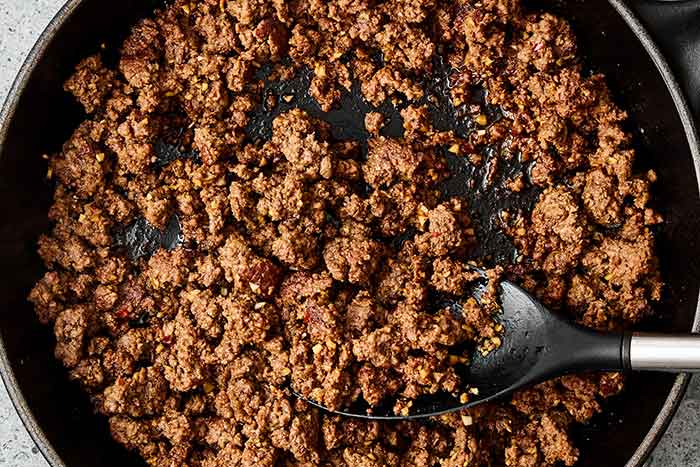
Third, add the sauce. Pour the sauce over the ground beef, give it a good mix, and simmer for about 2 minutes. The sauce should start to thicken and gently coat the ground beef.
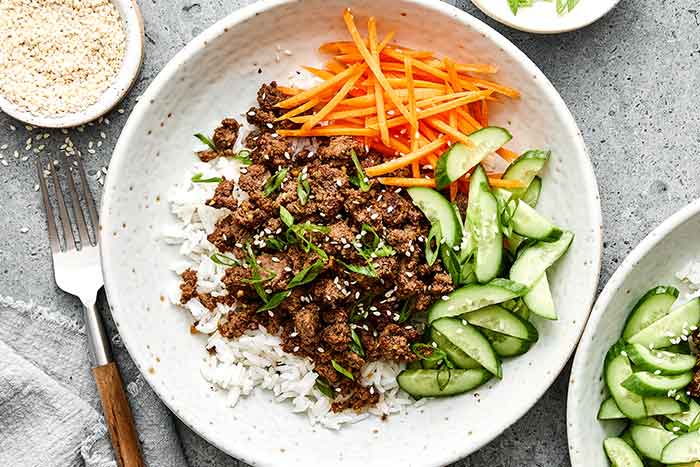
Lastly, assemble your bowl! Add a portion of rice (about ¾ cup) to a serving bowl. Top it with a portion of the beef, some grated carrots, sliced cucumbers, and a sprinkle of green onion and sesame seeds.
Some of my other favorite veggie toppings: Similar to a Korean bibimbap, you can add sautéed spinach, a handful of mung bean sprouts, sautéed mushrooms, and kimchi or pickled radish for a little gut-healthy, fermented tang! Oh, and don’t forget a fried egg on top, especially when the yolk can be mixed into the rice.
Frequently Asked Questions
While you could use regular sesame oil, the toasted version is more common in Korean cooking. Regular sesame oil might taste just a bit flat compared to the toasted counterpart.
Absolutely! If you’re not gluten-free, you can use regular soy sauce. And if you’d prefer a soy-free alternative, coconut aminos are great. Always feel free to tweak my recipes to your dietary preferences.
Not quite. Traditional bulgogi is made with thinly sliced beef that’s marinated before cooking, rather than ground beef. My ground beef version borrows some of the same umami flavors, but I’ve made it quick and easy for getting dinner on the table fast!
Oh yes! Now you’re speaking my language. You can cook the rice ahead of time and store it in one container in the fridge. Then cook the ground beef with the sauce and store it in another container. And finally, store the veggie toppings in another container so they stay crisp. Then, just combine the rice and meat in a bowl, microwave it until warm, and add toppings before enjoying.

Meal Prep & Storage Tips
I love making this for a healthy weeknight meal prep. Just make all the components (ground beef, cut veggies, rice, etc) and store them in the fridge for up to 4 days. Then assemble bowls whenever you feel like throughout the week!
And if you’re thinking ahead, you can make an extra batch of the ground beef and freeze it for later. It will stay good in the freezer for up to 3 months.
More Asian-Inspired Dinners
- Teriyaki chicken: Tested with authenticity in mind.
- Mongolian beef: The sauce is incredible!
- Chicken stir-fry: A weeknight dinner classic.
- Miso salmon: One of my all-time favorites!
If you try this Korean beef bowl recipe, let me know how they turn out in the comments below! Your review will help other readers in the community. And if you’re looking for more healthy food inspiration, join my free newsletter here.

Description
Video
Equipment
Ingredients
For the Korean beef
- 1 pound lean ground beef
- ⅓ cup tamari soy sauce
- 2 tablespoons honey
- 2 teaspoons toasted sesame oil
- 4 garlic cloves, minced
- 2 teaspoons freshly minced ginger
- ¼ teaspoon red pepper flakes
- optional: 1 tablespoon gochujang
For serving
- 3 cups cooked white rice
- 2 medium carrots, peeled and grated
- 2 Persian cucumbers, halved and sliced
- 1 green onion, sliced
- 1 teaspoon sesame seeds
Instructions
- Brown the beef. Heat a large skillet over medium-high heat. Add the ground beef and cook for 5 to 6 minutes, breaking it up with your spatula, until browned.

- Make the sauce. In a small mixing bowl, whisk together the soy sauce, honey, sesame oil, garlic, ginger, red pepper flakes, and gochujang (if you'd like).

- Add the sauce. Pour the sauce over the ground beef and simmer for about 2 minutes, until thickened and coating the ground beef.
- Make the Korean beef bowl. Add a portion of rice (about ¾ cup) to a serving bowl. Top with a portion of the beef, some grated carrots, sliced cucumbers, and a sprinkle of green onion and sesame seeds.
Lisa’s Tips
- Cooking tip: If you prefer to make the sauce before cooking the beef, that totally works! Just give it a quick stir again before adding to the beef.
- A note on the spice and heat level: You can always customize the spice level by using only the red pepper flakes or only the gochujang. If you use both, the meat will have a spicier overall flavor. So it’s up to you on how hot you like it!
- Storage tip: All components will stay good in the fridge for up to 4 days. You can also freeze the cooked beef for up to 3 months.
- More topping ideas: Similar to a Korean bibimbap, you can add quickly sautéed spinach, a handful of mung bean sprouts, sautéed mushrooms, and kimchi or pickled radish for a little gut-healthy, fermented tang!
- This is the gluten-free gochujang paste I’m using.
Nutrition
©Downshiftology. Content and photographs are copyright protected. Sharing of this recipe is both encouraged and appreciated. Copying and/or pasting full recipes to any social media is strictly prohibited.

Should You Add The Gochujang?
I tested this recipe both with and without it. The photo above is the version with it (you can tell as the beef is a smidge more red in color). Both versions were delicious, but the one with it had more depth of flavor. As always, feel free to tweak my recipes to your liking, so give it a try both ones and then let me know in the comments which version YOU prefer!