
I get asked all the time how I develop the recipes that you see on this website. And the short answer is that I have several quality standards that recipes must meet. So I thought I’d break it down for you today!
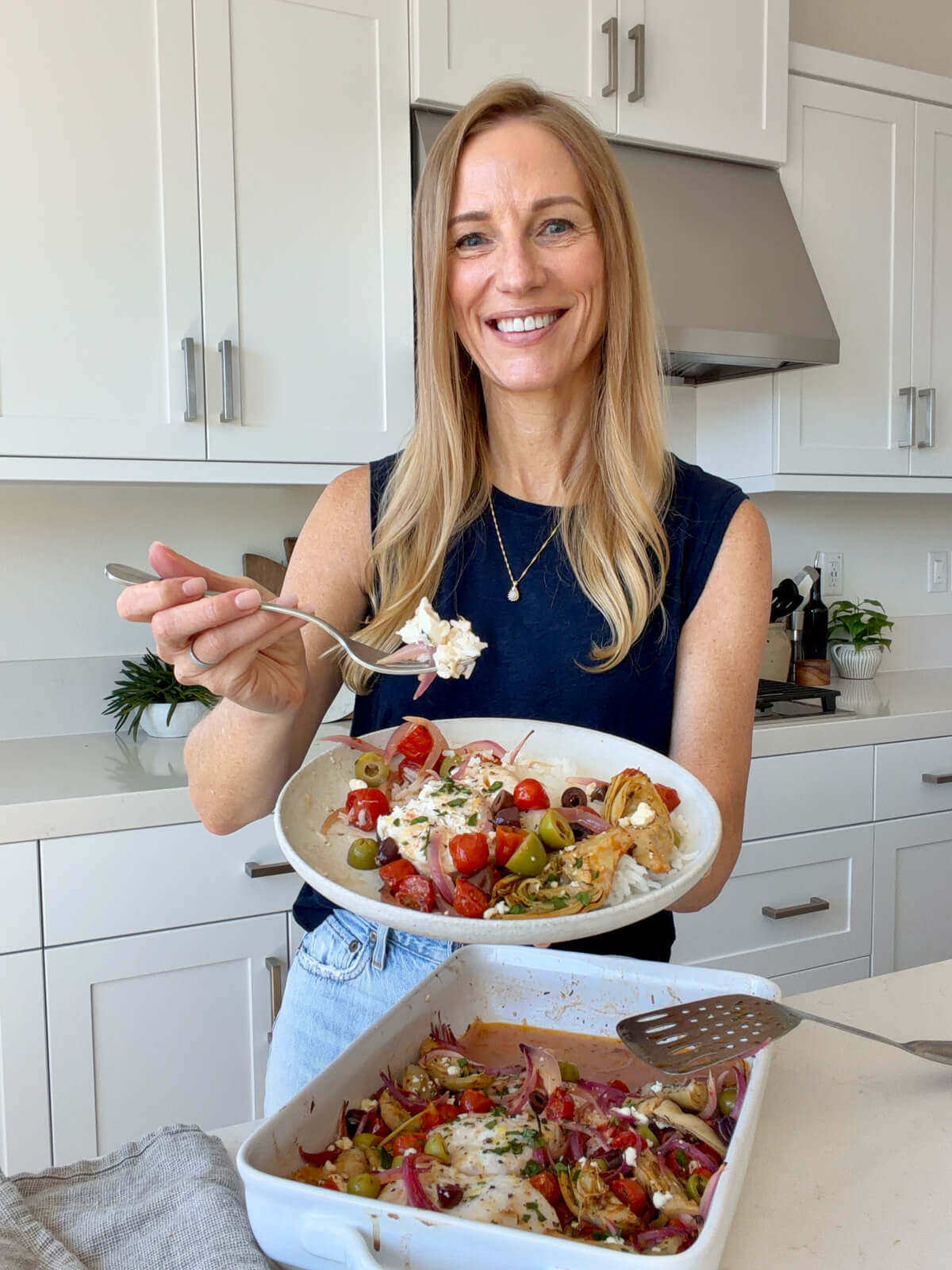
This post may contain affiliate links. See my disclosure policy.
Many of you know that I started Downshiftology in 2014 after I left the corporate world. My goal was to share the easy, healthy, gluten-free recipes that I was making in my own kitchen. I had no idea when I started this website that it would evolve into what it is today—a successful business and brand, a YouTube channel with millions of subscribers, and a bestselling cookbook!
As you might imagine, things have changed a bit from those early days as a one-woman show photographing recipes in my parents’ basement. But one thing remains—ensuring the success of my recipes in your kitchen! So here’s what goes into that.
How I Choose Recipes
There are several criteria I look at when choosing recipes for the website, including:
- Seasonality & Sourcing: Are the ingredients “everyday” items and is the produce currently in-season? I always want to make sure you’ll be able to find the ingredients in your local markets. So I’ll post asparagus recipes in spring and butternut squash recipes in fall, when produce is in peak season.
- Originality: Will the recipe have my own unique spin? All recipes on the website are gluten-free and refined sugar-free with a focus on being nutrient-dense and healthy (minus my desserts, of course). 😉 That means I’ll always put my personal touch on classic recipes like chicken salad, chili, and even overnight oats. And while it’s hard to make a one-ingredient recipe like poached eggs or bacon in the oven super original, I always do my best to provide the most helpful tips based on my personal experience in the kitchen.
- Difficulty Level: Can you easily reproduce the recipe in your kitchen with basic kitchen equipment? I’m a big proponent of fuss-free cooking. So most of my recipes only need basic kitchen items like pots, pans, mixing bowls, baking sheets, casserole dishes, etc. And if you’d like to take it a step further, there may be some specialty recipes that require a slow cooker or air fryer.
How I Test Recipes
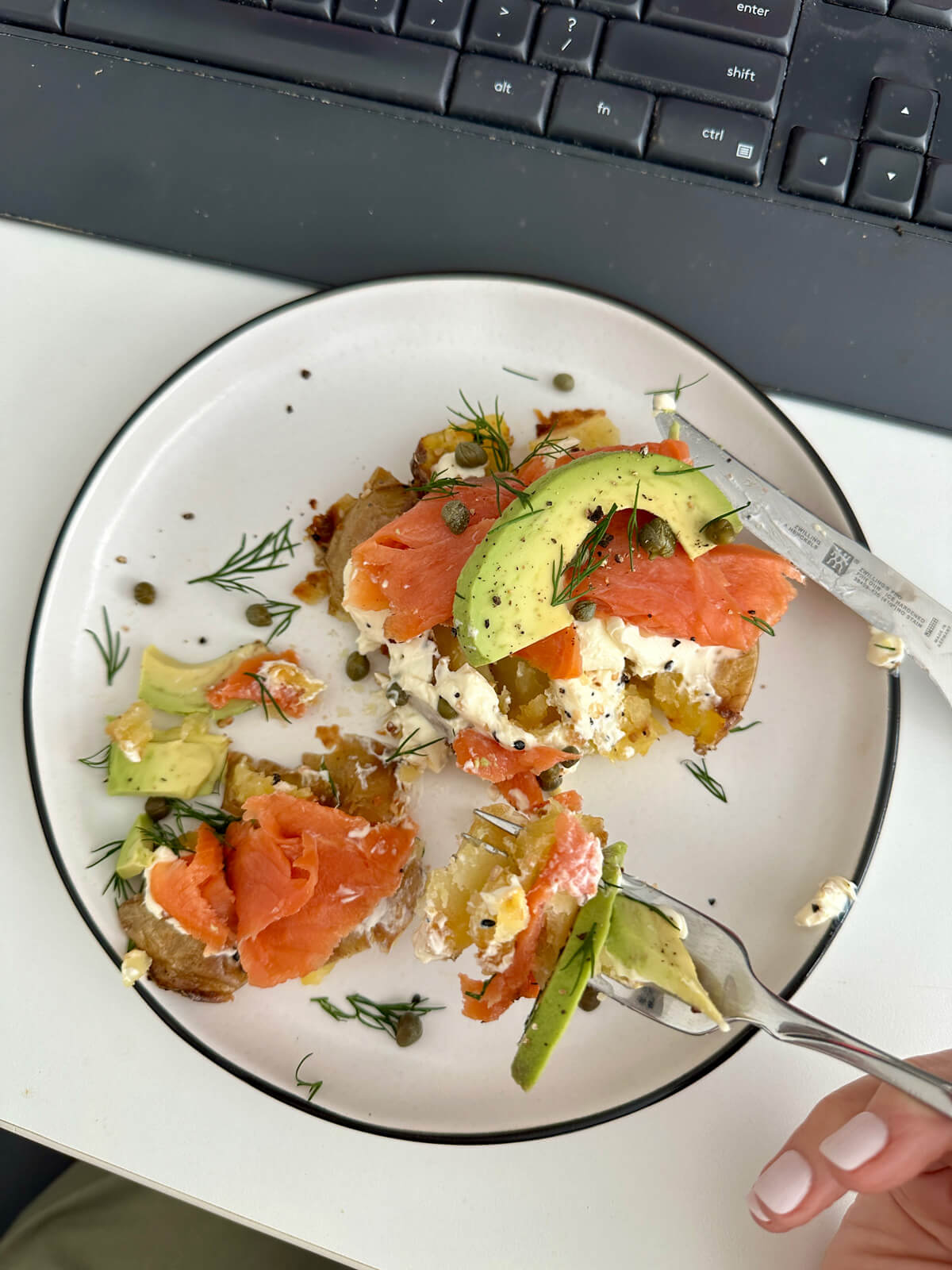
Once I’ve got an idea in my head of what I’d like to make, I personally develop and test each recipe in my own kitchen. Most recipes go through 3 to 4 rounds of testing before they’re ready to be shared on the website.
I’m all about foolproof, no-fail recipes and it’s really important to me that the recipes turn out on the first try in your kitchen. Especially as certain ingredients like prime rib, turkey, or beef tenderloin can be quite expensive.
Additionally, I now outsource photography and having a food stylist and professional food photographer who makes and photographs my recipes in an outside kitchen. It’s one more test to ensure the recipe is 100% ready for the website.
How I Shoot Recipe Videos
Even after all of these years, I still shoot and edit all of my YouTube videos myself. Believe me when I say, it’s a ton of work! And I wish I could bring on extra help for it. But I have yet to find outsourced help who can maintain my professional style and save me time.
In terms of social media videos like Reels, TikToks and Shorts, I shoot those myself (I’ve gotten really good at cooking and filming at the same time!), and then either a video editing contractor or I edits those videos.
Do You Ever Update Recipes?
Yes, I sure do! I’m constantly reviewing older recipes, reviewing reader feedback, and deciding whether a recipe needs additional testing, updated instructions, or fresh photography.
Maintaining the quality of recipes, both old and new, is equally important. So you might see classic reader-favorite recipes like chicken salad or baked cod pop to the front of the website again if I’ve given them a recent update.
While technology and the tools I use continue to evolve, my commitment to developing and testing real recipes will never change. You can read more about how I maintain those standards in my Editorial and AI Policy.
I hope that answers some questions on how I develop, test, and ensure recipes on Downshiftology are the best they can possibly be! If you have more questions, pop them in a comment below.


I really enjoy your meal prep videos, especially the seasonal series. It’s how I found your channel! Please make more 😬
Thanks for your feedback Tracy! Will definitely keep that in mind, but I hope you continue to enjoy all the new recipes :)
I have a suggestion – I love your book but wonder if there is a chance you would update it to include the full nutritional values that now appear on your recipes on your website? Like many people I have Kidney disease and it is almost impossible to find such wonderful, healthy recipes that include potassium levels. Thanks Lisa
I will keep that in mind!
In case it’s helpful, many food tracking apps on phone or computer have a “recipe” function that you can use to calculate the nutrition information (potassium included) of any recipe.
willing to do test runs of recipes before they get posted if you want help.
Red meat may not work for religious reasons but other wise ok to test a few.
Also, open to sharing recipes which I have used but mostly Indian (and I mean South Asian).
Thank you!
Do you have more people on your team (to plan the shoots, to buy groceries, to chop veggies, etc.) or is it only two hard-working people? :)
Hi Jane – nope, it’s just the two of us! Emily and I manage everything ourselves. Thankfully, we’ve developed a really good rhythm over the years and are dedicated to creating the best recipes and content possible. :)
Wow, this is so inspiring! Thank you!
I have two questions. 🙂
How many recipes do you shoot in one day?
How many shooting days do you organize every month (or every week) ?
It depends on what we have going on that week, but normally we shoot recipes 2 to 3 days out of the week!
Thank you for sharing this. I’m a new follower, so this was EXTRA interesting for me.
I’m glad you enjoyed a little behind-the-scenes Corrie. :)
Hi,
About the calories that we can see after each recipe: are they given per serving or for the full amount in the recipe?
Thanks
The nutritional information will always be per serving!