
This Spanish flan is silky smooth, beautifully creamy, and topped with a unique caramel sauce that’s made with coconut sugar instead of refined white sugar. It’s a simple twist on the classic dessert with delicious notes of caramel and toffee!

This post may contain affiliate links. See my disclosure policy.
Why You’ll Love My Spanish Flan
- It’s creamy and custardy. The texture is smooth and delicate rather than dense or overly eggy.
- There’s no refined sugar and no sweetened condensed milk. Instead of using processed white sugar or sweetened condensed milk, I’m using coconut sugar both in the flan and the caramel topping. I also love that the coconut sugar imparts subtle notes of toffee and caramel—so YUM!
- It’s surprisingly simple. If you thought a flan was difficult to make, I can assure you it’s not. The ingredient list is short and the recipe is straightforward. Just follow my color cues on the caramel topping below.
- It’s the ideal make-ahead dessert. Flan is great for holidays and entertaining because you can make it the day before you plan on serving it. Aka less stress in the kitchen!
There are two dessert recipes I order most often in restaurants: flan and creme brûlée. Not only are they the perfect sweet treat after the main course, they’re always guaranteed to be gluten-free!
And for years I’ve hesitated putting a flan recipe on the website as I don’t cook with sweetened condensed milk (which is an ultra-sweet processed sugar and milk mixture). But, after my trip to Spain with my nephew last year, I set out to develop a Spanish-style flan (rather than Mexican-style flan) which has a simple and straightforward ingredient list of milk, eggs, sugar, and vanilla.
For my version, I’m keeping a simple custard base but swapping refined sugar for coconut sugar. And it works beautifully! The coconut sugar gives both the custard and caramel topping a deeper flavor and color, with subtle hints of toffee and brown sugar. Just make sure to follow my temperature cues below as you can’t cook coconut sugar “by color” as you would regular white sugar.
Spanish Flan Ingredients

- Coconut sugar: This is my swap for granulated white sugar in both the caramel and the custard. It has a deeper, richer flavor, and despite its name, it doesn’t actually taste like coconut!
- Milk: Whole milk gives the custard a creamy texture while keeping it lighter than versions made with cream or sweetened condensed milk.
- Eggs: The eggs provide structure to the flan and allow it to set to a jiggly texture while keeping it soft and creamy.
- Vanilla extract: A splash of vanilla extract enhances the caramel flavor and gives the custard naturally sweet depth.
How to Make Spanish Flan
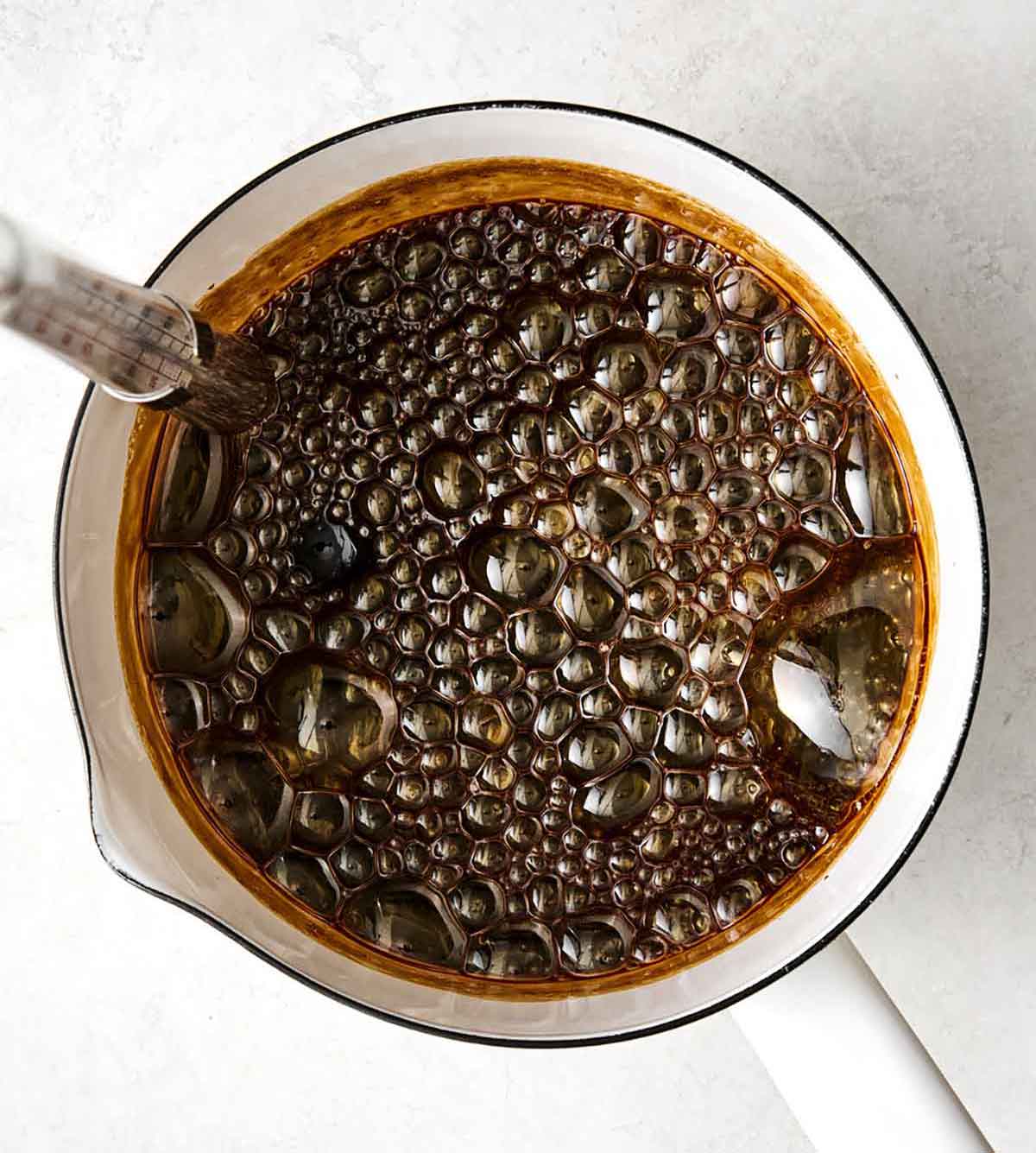
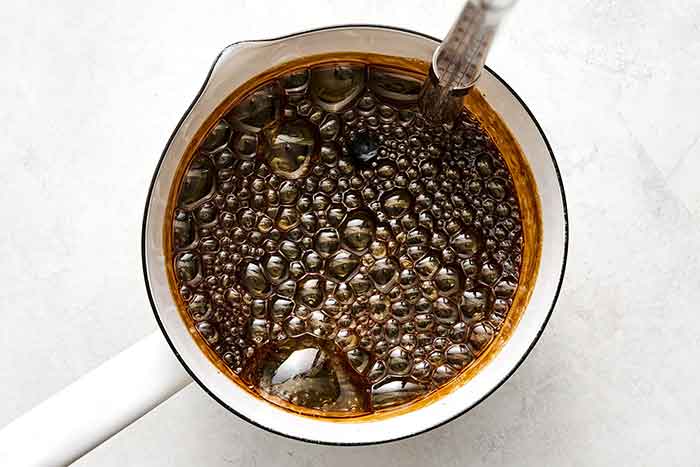
Make the caramel. Preheat the oven to 325°F (160°C). Add the coconut sugar and water to a small saucepan. Cook over medium heat, stirring until the sugar dissolves. Once the mixture comes to a boil, stop stirring and let it simmer for 5 to 7 minutes, swirling the saucepan occasionally, until the temperature reaches 245-250°F on a candy thermometer or instant read thermometer (i.e. between the soft-ball and hard-ball stage). Note: You can reduce the heat slightly if the sugar starts to smell like it’s burning.
Lisa’s tip on using a thermometer: Because the coconut sugar is already a dark brown, you can’t rely on color to tell when your caramel is done the way you can with white sugar. Temperature is a much more reliable indicator, so make sure to use an instant-read thermometer (a candy thermometer might not reach low-enough into the pot with a small amount of caramel).

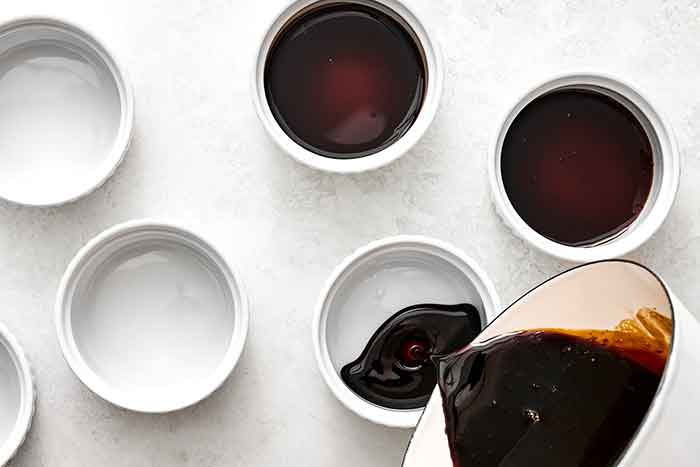
Pour the caramel. Immediately pour the caramel into six ramekins (or one 8-inch round cake pan), tilting each ramekin to coat the bottom. Set aside and let the caramel firm up.
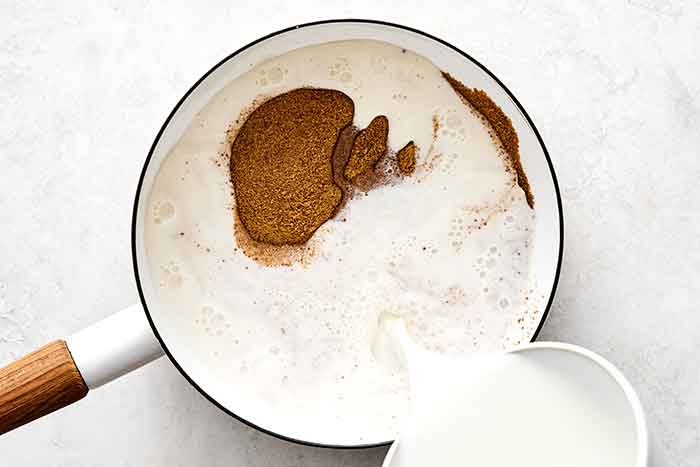
Heat the milk and sugar. In a saucepan over medium-low heat, combine the milk and coconut sugar. Heat until the sugar has completely dissolved and the milk is steaming but not boiling, about 4 to 5 minutes. Remove from the heat and let it cool for about 5 minutes.
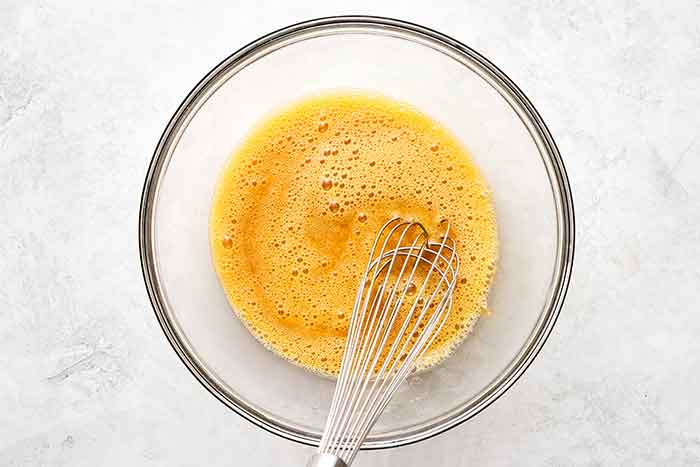
Whisk the eggs. In a bowl, whisk together the eggs, vanilla, and salt until creamy.

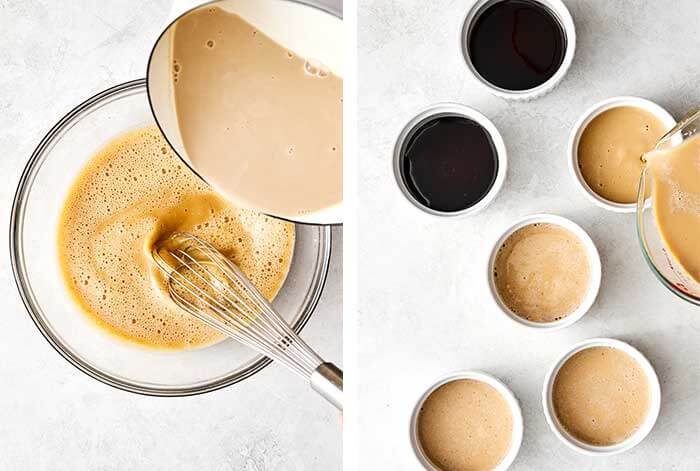
Make the custard. Slowly pour the warm milk into the eggs while whisking constantly. Once combined, strain the custard through a fine-mesh sieve into the prepared ramekins. Skim away any bubbles from the surface, then cover each ramekin with aluminum foil.
Lisa’s tip on straining: While straining can sometimes seem like an unnecessary step, it really does make a noticeable difference here. It removes bubbles and any bits of accidentally cooked egg to give you a beautifully smooth texture.
I also like to strain the custard into a 4-cup measuring cup. It’s easier to pour from that, rather than the bowl, into the ramekins.

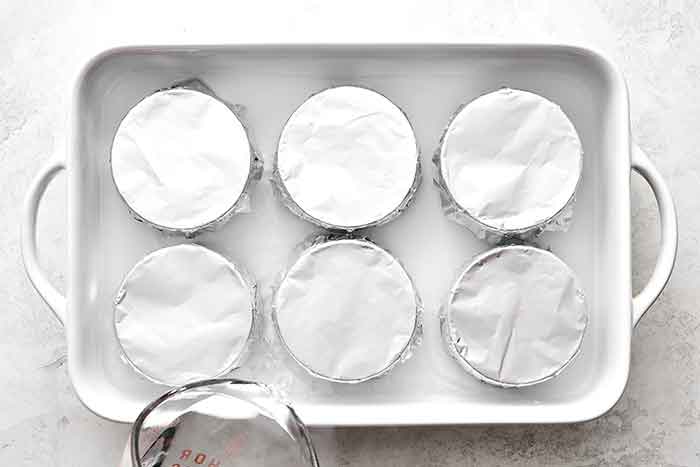
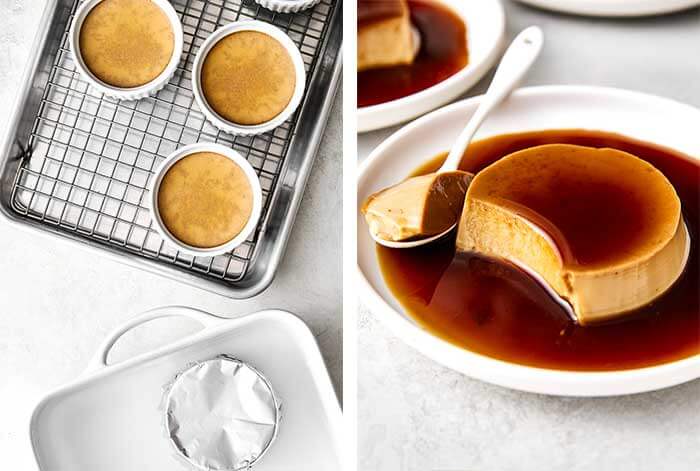
Bake the flan. Place the ramekins inside a large roasting pan or 9×13-inch casserole dish. Pour hot water into the roasting pan until it reaches halfway up the sides of the ramekins. Bake for 40 to 45 minutes, or until the edges are set but the center still jiggles slightly, when gently shaken. Then, remove the ramekins from the water and let them cool to room temperature. Then, refrigerate them for at least 6 hours, though preferably overnight.
Serve. Run a thin knife around the edge of the ramekins. Dip each ramekin in a bowl of hot water for 10 to 15 seconds to loosen the flan from the ramekin. Invert each ramekin onto a rimmed serving plate and allow the caramel sauce to flow over the flan.
Frequently Asked Questions
Nope! There’s no need to grease the ramekins or cake pan. The caramel layer on the bottom helps to release the flan when it’s inverted.
With coconut sugar, temperature really matters. If the caramel hasn’t cooked sufficiently, it can remain too fluid and accidentally mix into the custard when you pour it in. So make sure to cook it to about 245°F to 250°F (just past the “soft ball” stage) and allow it to firm in the ramekins before adding the custard.
It’s okay, that’s normal. Some caramel may remain behind after you invert the flan. If you want to minimize that, just dip the bottom of the ramekin in hot water for 10 to 15 seconds to help loosen both the custard and caramel before inverting onto a plate.
Technically you can, though I wouldn’t recommend it. Freezing and thawing flan can make the silky texture of the custard go a bit wonky. Flan is much better stored for 2 to 3 days in the fridge.
Yes, you can substitute the dairy milk with full-fat coconut milk, similar to my coconut creme brûlée recipe.

Make-Ahead and Storage Tips
- For making ahead: Flan is the perfect make-ahead dessert! I recommend making it the day before serving so the custard has plenty of time to chill and fully set. Just keep the ramekins covered and refrigerated, then invert them just before serving.
- For storing leftovers: Leftover flan can be covered in plastic wrap and refrigerated for 2 to 3 days. Some may say that you can store it longer, but I think the texture is best within the first few days.
More Custard Desserts
- Classic custard: I love making this for holidays.
- Chocolate pots de creme: Such luscious chocolate!
- Chocolate mousse: A more whipped texture, but still SO good.
If you try this Spanish flan recipe, let me know how it turns out in the comments below! Your review will help other readers in the community. And if you’re looking for more healthy food inspiration, join my free newsletter here.

Description
Equipment
Ingredients
For the caramel
- 1 cup coconut sugar
- ¼ cup water
For the custard
- 2 cups whole milk
- ½ cup coconut sugar
- 4 large eggs
- 2 teaspoons vanilla extract
- pinch kosher salt
Instructions
- Make the caramel. Preheat the oven to 325°F (160°C). Add the coconut sugar and water to a small saucepan. Cook over medium heat, stirring until the sugar dissolves. Once the mixture comes to a boil, stop stirring and let it simmer for 5 to 7 minutes, swirling the saucepan occasionally, until the temperature reaches 245-250°F on a candy thermometer or instant read thermometer (i.e. between the soft-ball and hard-ball stage). Note: You can reduce the heat slightly if the sugar starts to smell like it's burning.

- Pour the caramel. Immediately pour the caramel into six ramekins (or one 8-inch round cake pan), tilting each ramekin to coat the bottom. Set aside and let the caramel firm up.
- Heat the milk and sugar. In a saucepan over medium-low heat, combine the milk and coconut sugar. Heat until the sugar has completely dissolved and the milk is steaming but not boiling, about 4 to 5 minutes. Remove from the heat and let it cool for about 5 minutes.
- Whisk the eggs. In a bowl, whisk together the eggs, vanilla, and salt, until creamy.
- Make the custard. Slowly pour the warm milk into the eggs while whisking constantly. Once combined, strain the custard through a fine-mesh sieve into the prepared ramekins. Skim away any bubbles from the surface, then cover each ramekin with aluminum foil. Pro tip: I like to strain the custard into a 4-cup measuring cup. It's easier to pour from that, rather than the bowl, into the ramekins.

- Bake the flan. Place the ramekins inside a large roasting pan or 9×13-inch casserole dish. Pour hot water into the roasting pan until it reaches halfway up the sides of the ramekins. Bake for 40 to 45 minutes, or until the edges are set but the center still jiggles slightly, when gently shaken. Note: The size and shape of your ramekin may affect cook time. The flan is done when it reaches 175°F (79°C) in the center on an instant read thermometer. Remove the ramekins from the water and let them cool to room temperature. Then, refrigerate them for at least 6 hours, though preferably overnight.
- Serve. Run a thin knife around the edge of the ramekins. Dip each ramekin in a bowl of hot water for 10 to 15 seconds to loosen the flan from the ramekin. Invert each ramekin onto a rimmed serving plate and allow the caramel sauce to flow over the flan.
Lisa’s Tips
- You can make this recipe in six 5.5-ounce ramekins (standard sized ramekins) or one 8-inch cake pan. When you fill each ramekin, they’re only about ½ full, which is perfect.
- If you have any leftovers, they’ll keep for 2 to 3 days in the fridge. Just make sure to keep them tightly covered.
Nutrition
©Downshiftology. Content and photographs are copyright protected. Sharing of this recipe is both encouraged and appreciated. Copying and/or pasting full recipes to any social media is strictly prohibited.


